
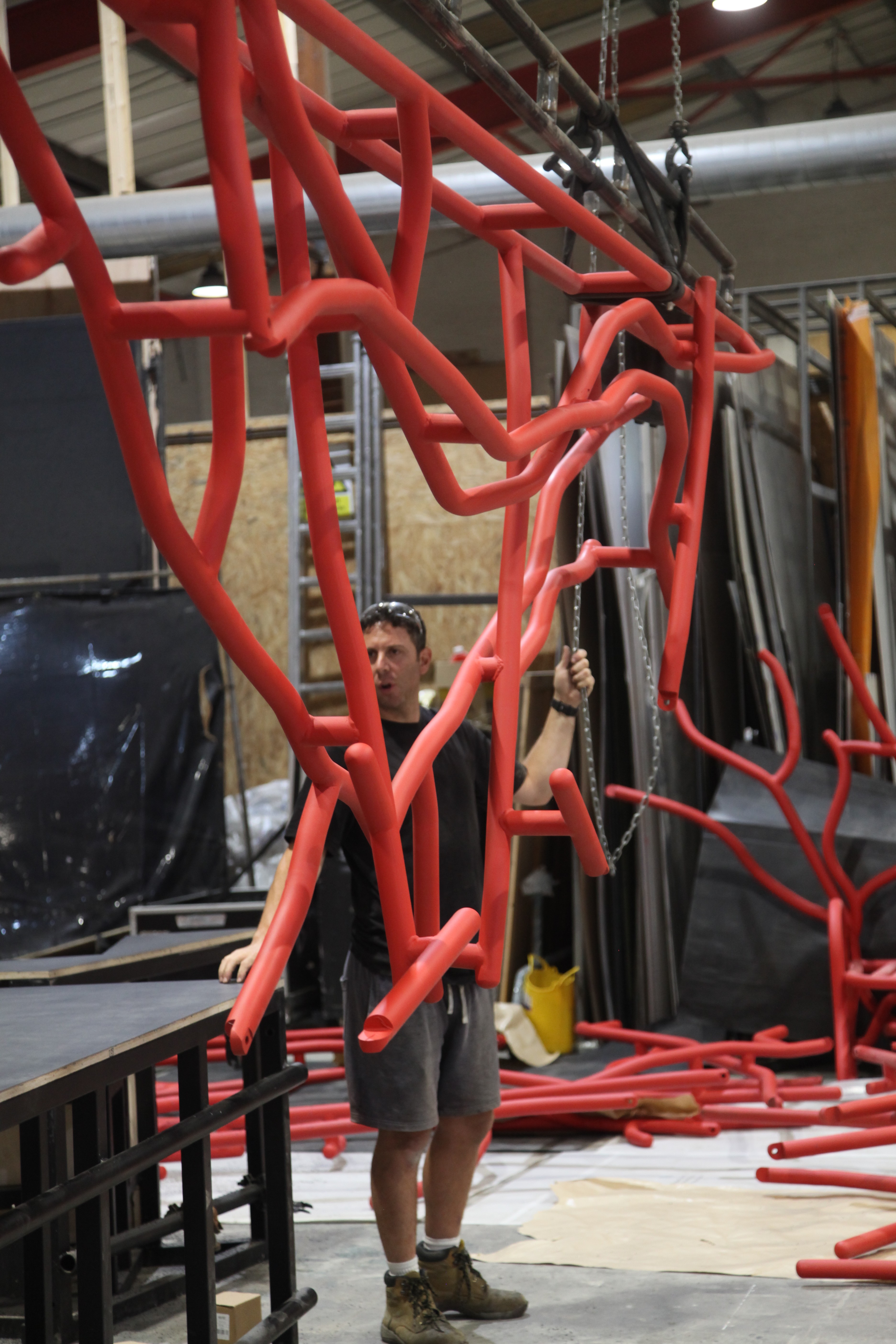
Scena was established in 1985. building our reputation on the expertise of a specialist team of technicians and craftspeople, delivering consistently high standards of workmanship across some of the most demanding projects in the industry.
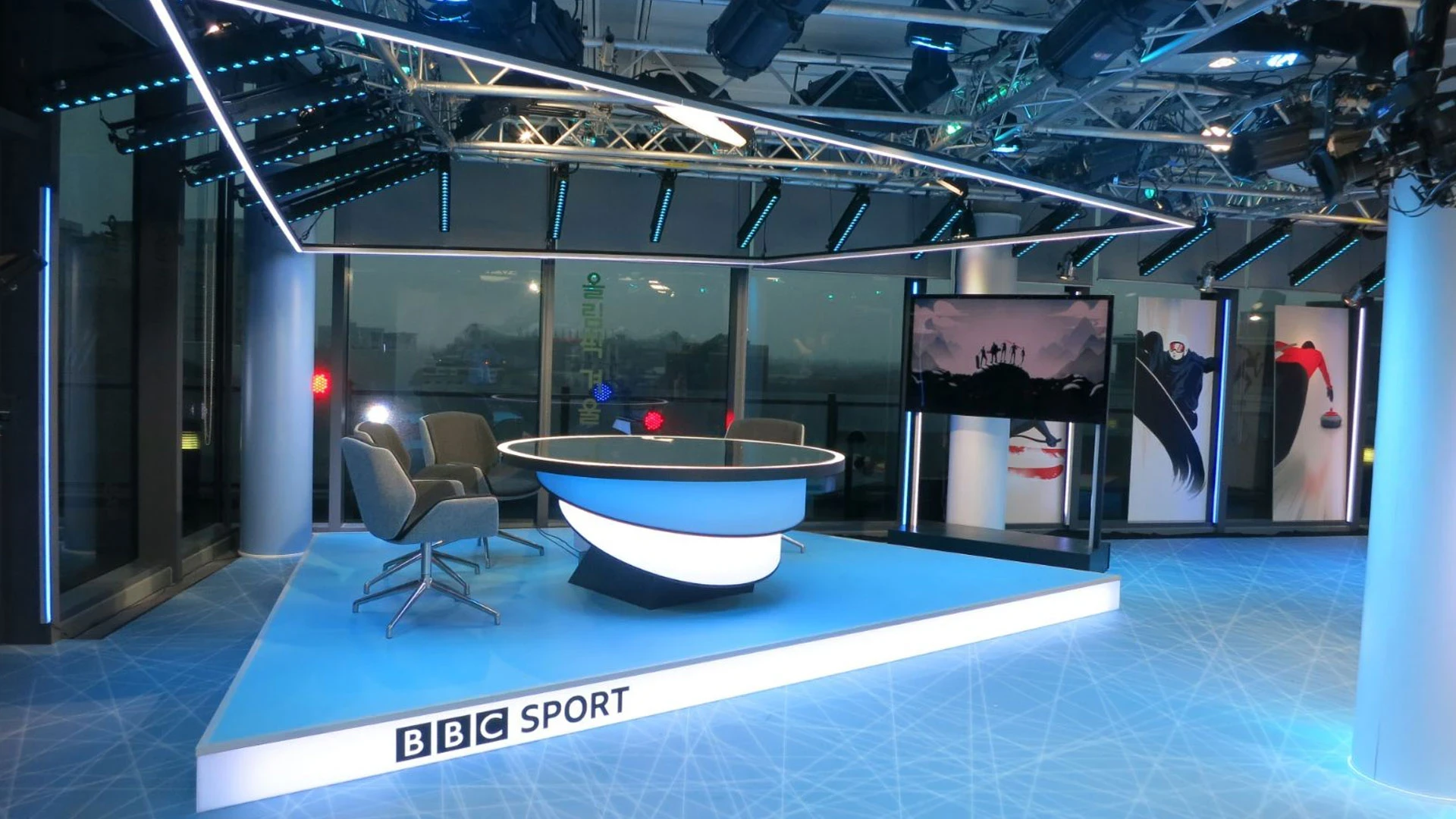
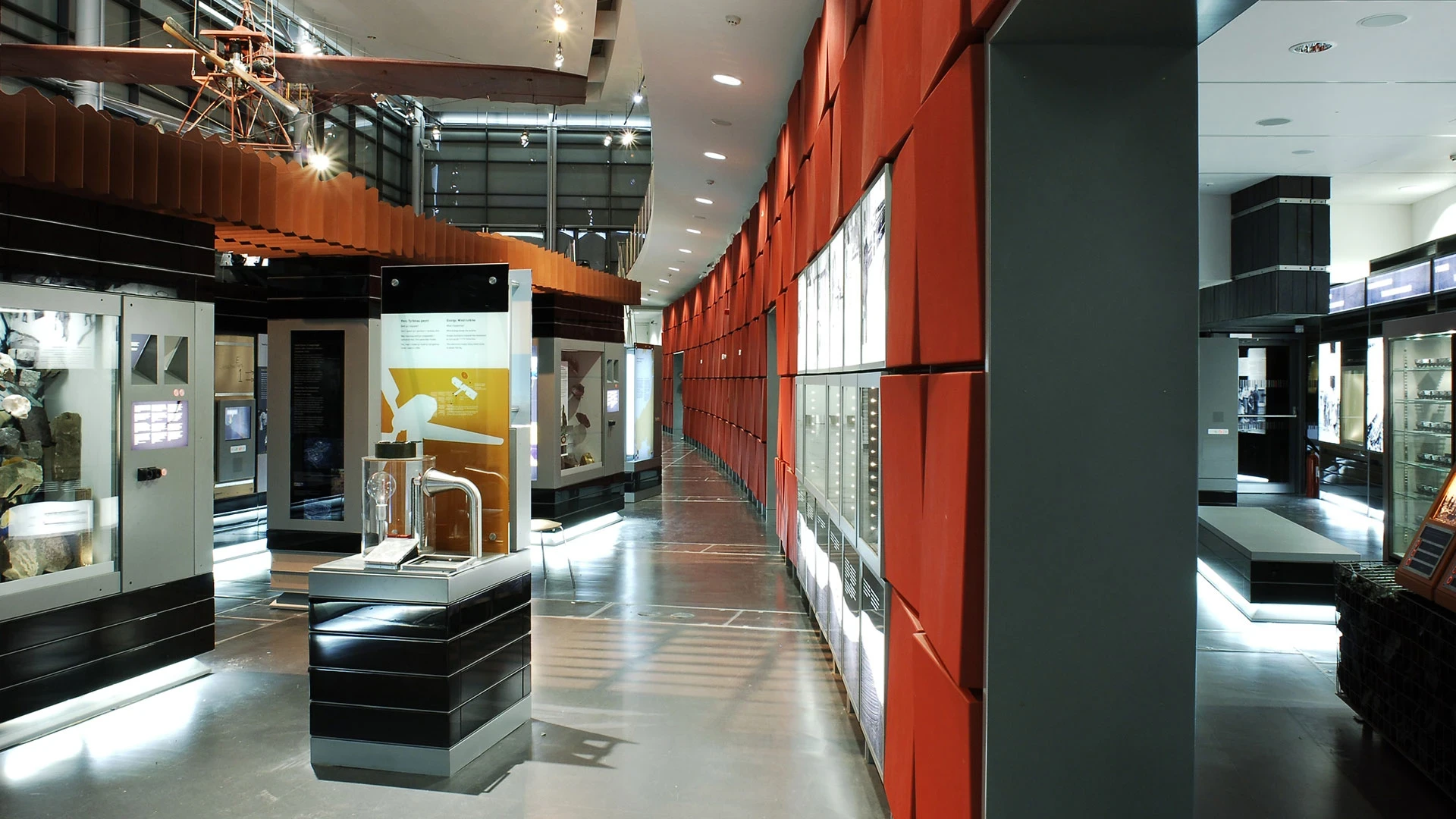
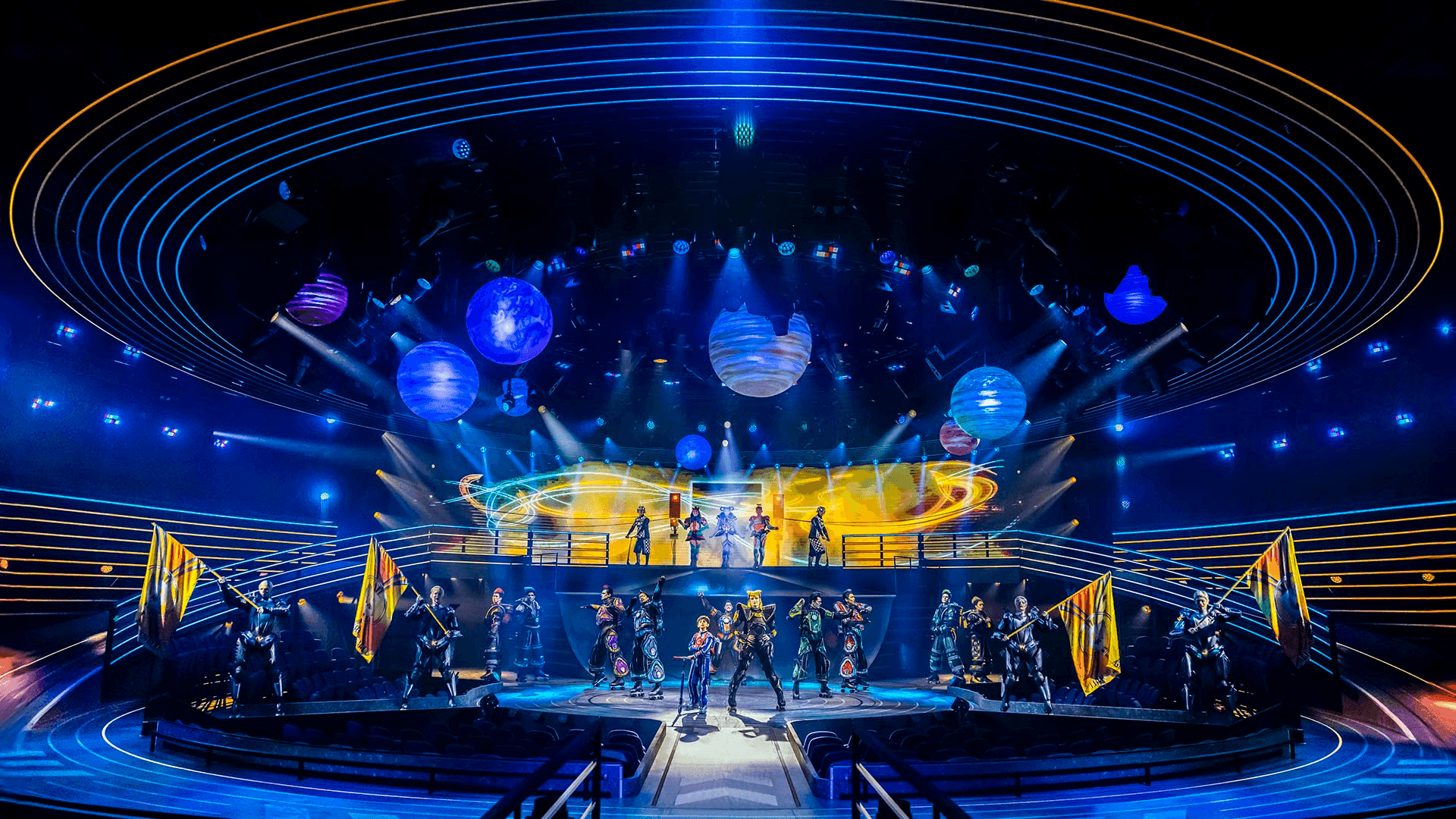
With over 40 years of experience, Scena operates across seven core sectors: Theatre, Museums, Exhibitions & Conferences, Television, Events, Retail, and Engineering. Our in-house team is structured across five specialist departments, enabling us to deliver precisely the skills and resources each project demands, from initial concept through to completion. Headquartered in the UK, we work with clients worldwide.
1985
The year we were founded
5
Specialist departments
Projects completed
















How We Work
After 40 years of operations we have refined our processes to ensure the smoothest experience
Client Vision
Initial meetings to understand the project requirements, creative direction, site constraints, and overall scope for your set build.
Budget Estimate
We provide an initial cost estimate based on size, materials, fabrication complexity, logistics, and installation requirements.
Initial Design Visuals
We develop concept drawings and 3D visuals to define the layout, scale, and overall design before moving into production.
Final Quote
Once the design is approved, we issue a detailed final quote outlining fabrication, finishes, transport, and installation costs.
Technical Drawings
We produce technical and construction drawings for accurate scenic fabrication and safe installation.
Construction Starts
Our workshop team builds the scenery, stage sets, or custom-built structures using approved materials and finishes.
Test Build
Where required, we complete a pre-build or test assembly to check fit, stability, and build quality before delivery.
On-site Installation
We transport and install the scenery on site, ensuring everything is secure, compliant, and ready for use.
Project Completion
What makes Scena different?
Creativity
Expertise
Network
Collaboration
Innovation
Reliability
Get in touch
We’d love to hear from you, contact us or complete the below form.
